

Skoda NZ’s big EV push – all-new Elroq and refreshed Enyaq are here
Words by Kyle Cassidy
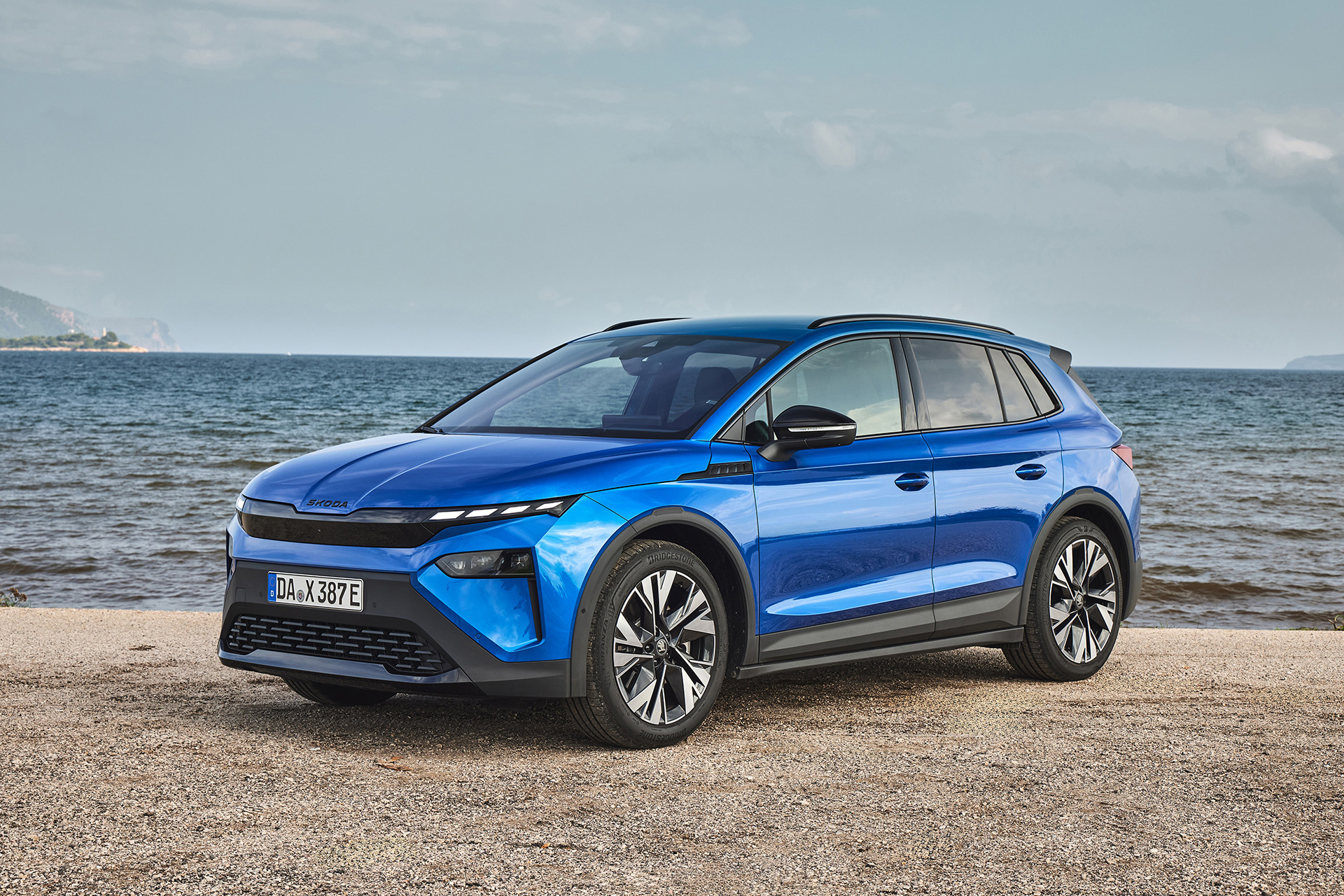
Skoda New Zealand is moving into its next phase of electrification, introducing two electric SUV offerings: the all-new Elroq and an updated Enyaq range. Both models debut the brand’s Modern Solid design language, bring gains in efficiency and technology, and deliver ranges exceeding 530 kilometres.
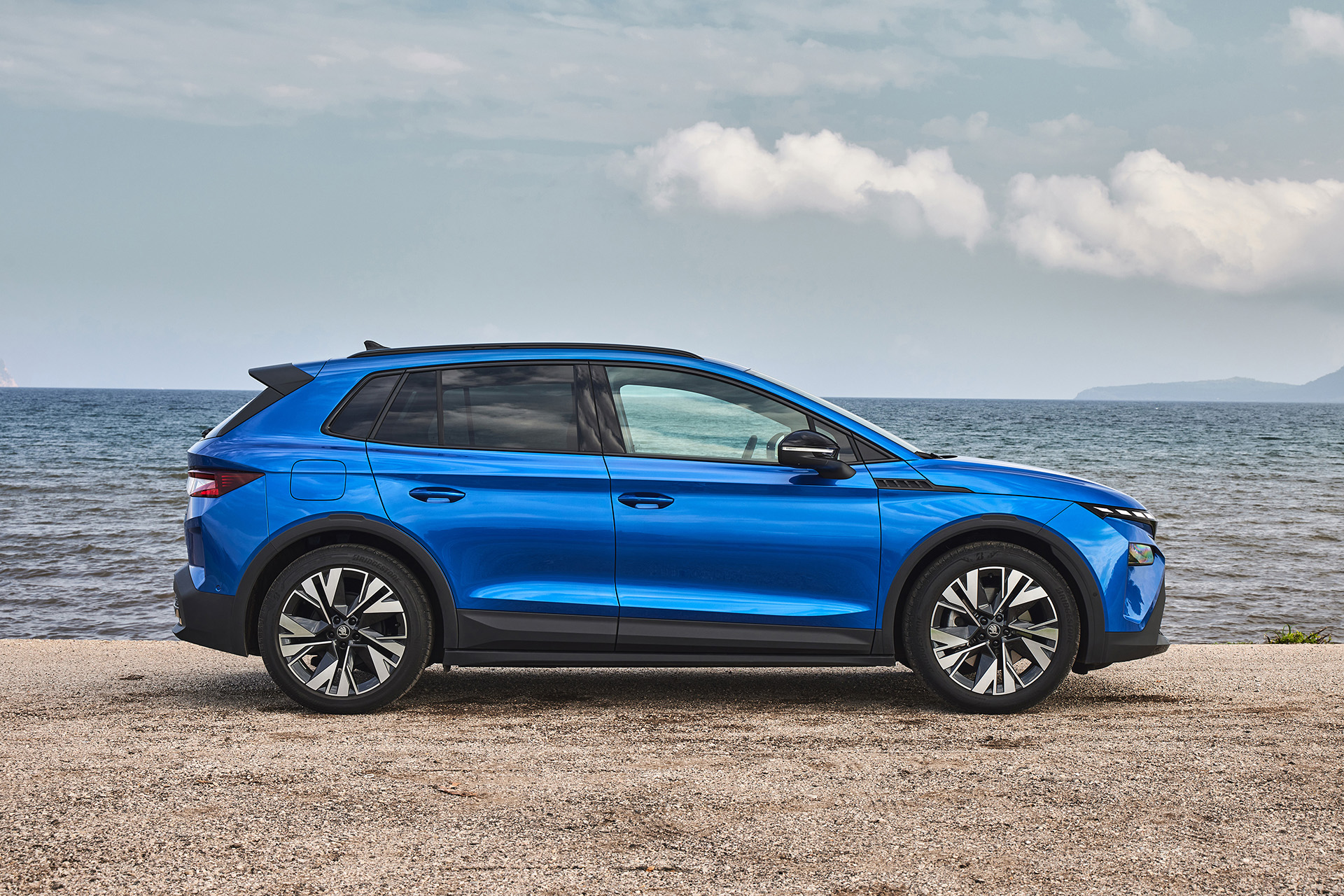
The Elroq, which has already racked up 100,000 sales in Europe, arrives as an all-new nameplate and Skoda’s first electric entrant in the compact SUV class. It will be offered here in the Elroq 60 and Elroq Sportline 85 variants, priced from $69,000 and $79,000 respectively. The larger Enyaq continues as Skoda’s flagship EV, but in significantly evolved form, with new Sportline and RS versions starting at $89,000 and $99,000.
Elroq: A new electric chapter for Skoda
The Elroq is built on the Volkswagen Group’s MEB electric platform and introduces the Modern Solid design with “clean surfacing, a more robust stance and a renewed emphasis on functionality”.
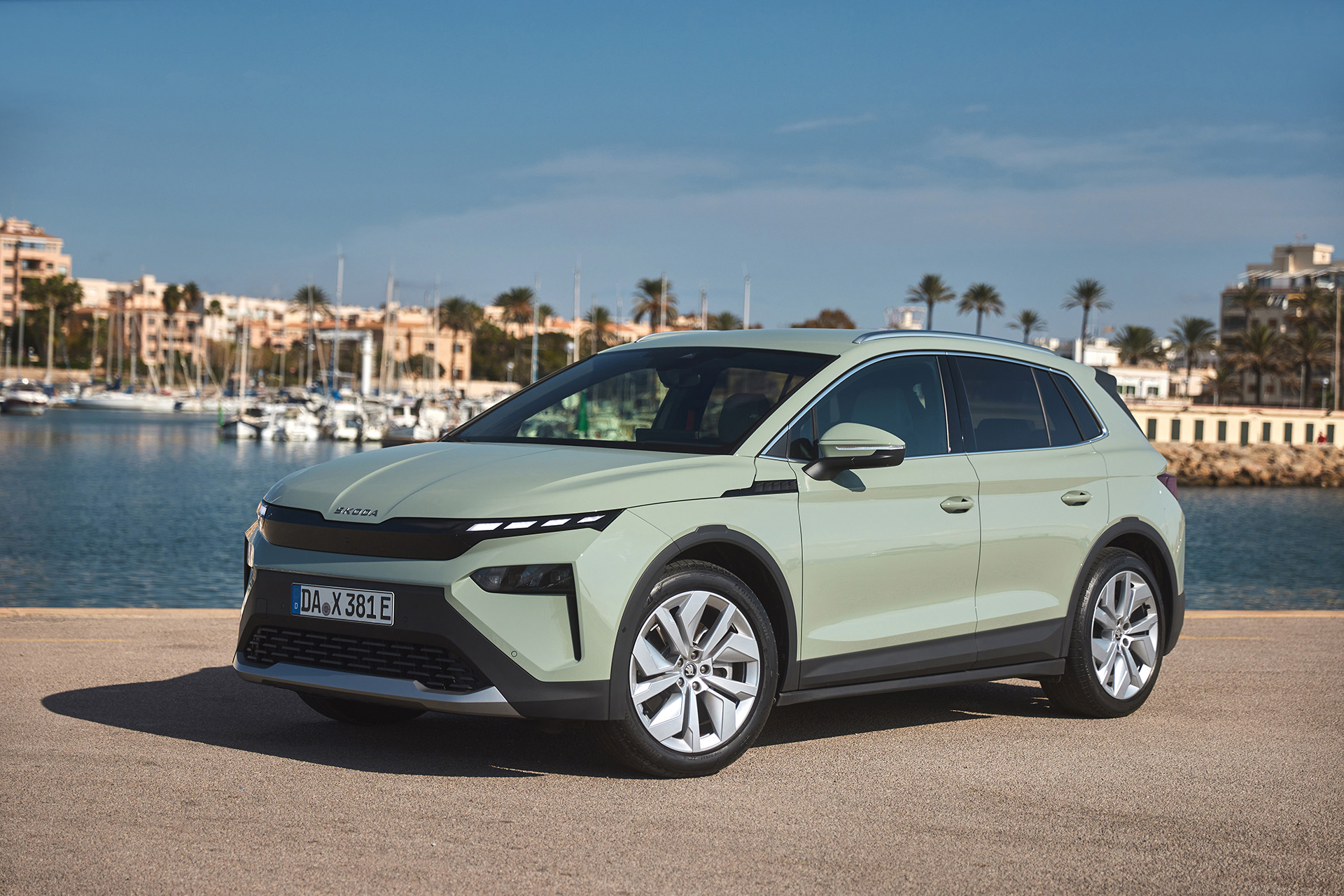
Two battery configurations will be offered in New Zealand. The entry Elroq 60 uses a 63kWh battery (59kWh usable) and a 150kW rear motor producing 310Nm. Range exceeds 400km they say. Above it sits the Elroq Sportline 85, which uses the larger 82kWh pack (77kWh usable) and a 210kW rear motor delivering 545Nm. Skoda says this version achieves more than 530km on the WLTP cycle.
Charging performance has also been optimised. The 85 charges at up to 135kW, completing a 10–80 per cent boost in 28 minutes, while the 60 charges at up to 65kW and can perform the same step in 25 minutes or less. Both accept 11kW AC charging. A liquid cooling and heating system allows the battery to precondition for fast-charging, with activation available through the infotainment menu.
Ride, handling and towing capability
They say the Elroq has been engineered with “traditional Skoda user-friendliness in mind”. The front axle uses MacPherson struts while the rear adopts a multi-link setup. Ventilated front disc brakes are standard, with single-piston callipers on the 60 and twin-piston callipers on the 85. Rear drum brakes remain, apparently chosen for their compatibility with regenerative braking (and cost no doubt).
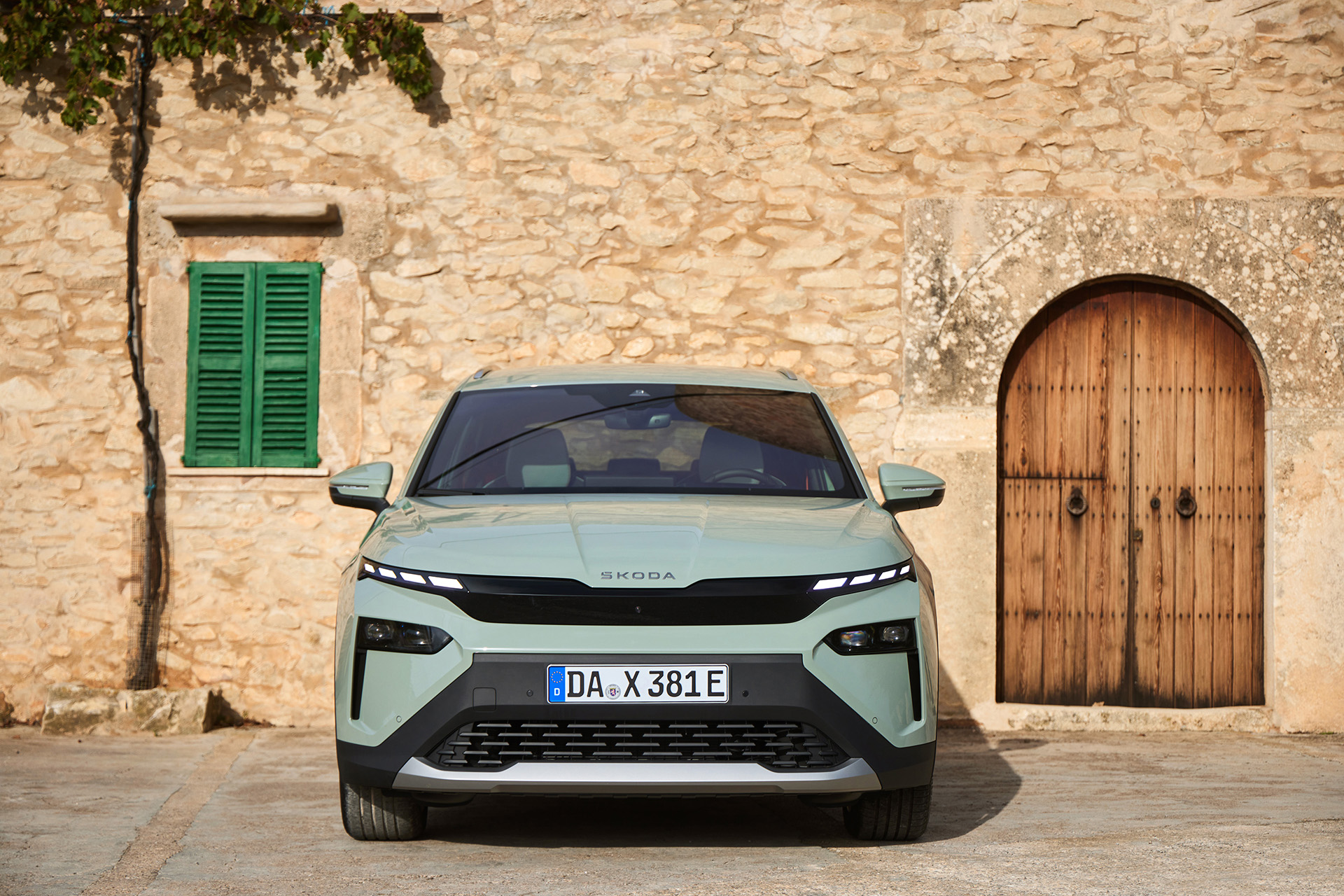
Dynamic Chassis Control (DCC) is optional, offering Normal, Comfort and Sport modes plus a Custom setting with 15 individual damper calibrations. The Sportline 85 also gains lowered sports suspension, along with progressive steering. Depending on the variant, kerb weight ranges from 1949 to 2119 kg. The Elroq can tow up to 1200kg.
Design: Modern Solid with practical DNA
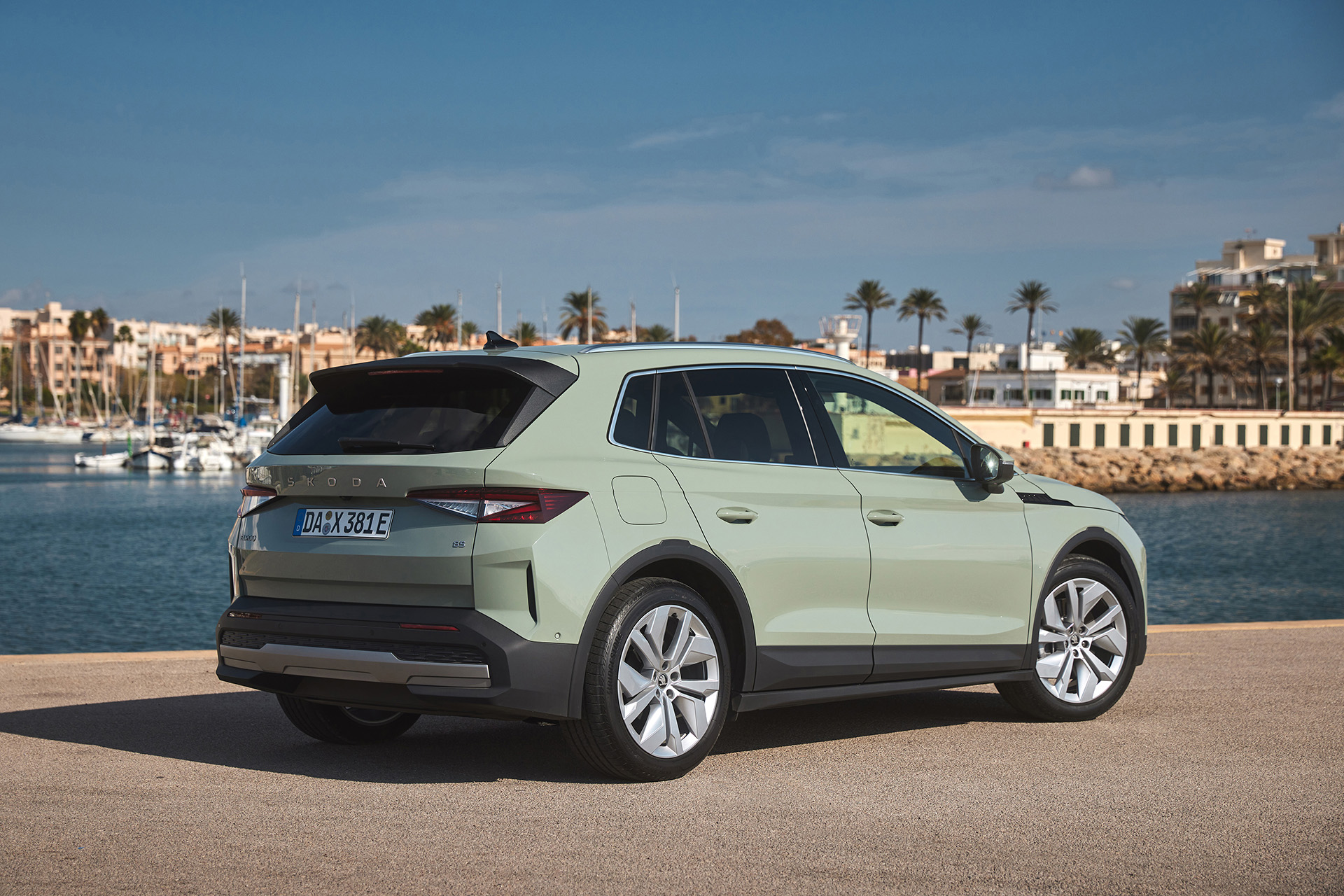
Measuring 4488 mm long and 1884 mm wide with a 2765 mm wheelbase, the Elroq fits into the compact SUV class while it is claimed to offer one of the segment’s roomiest cabins.
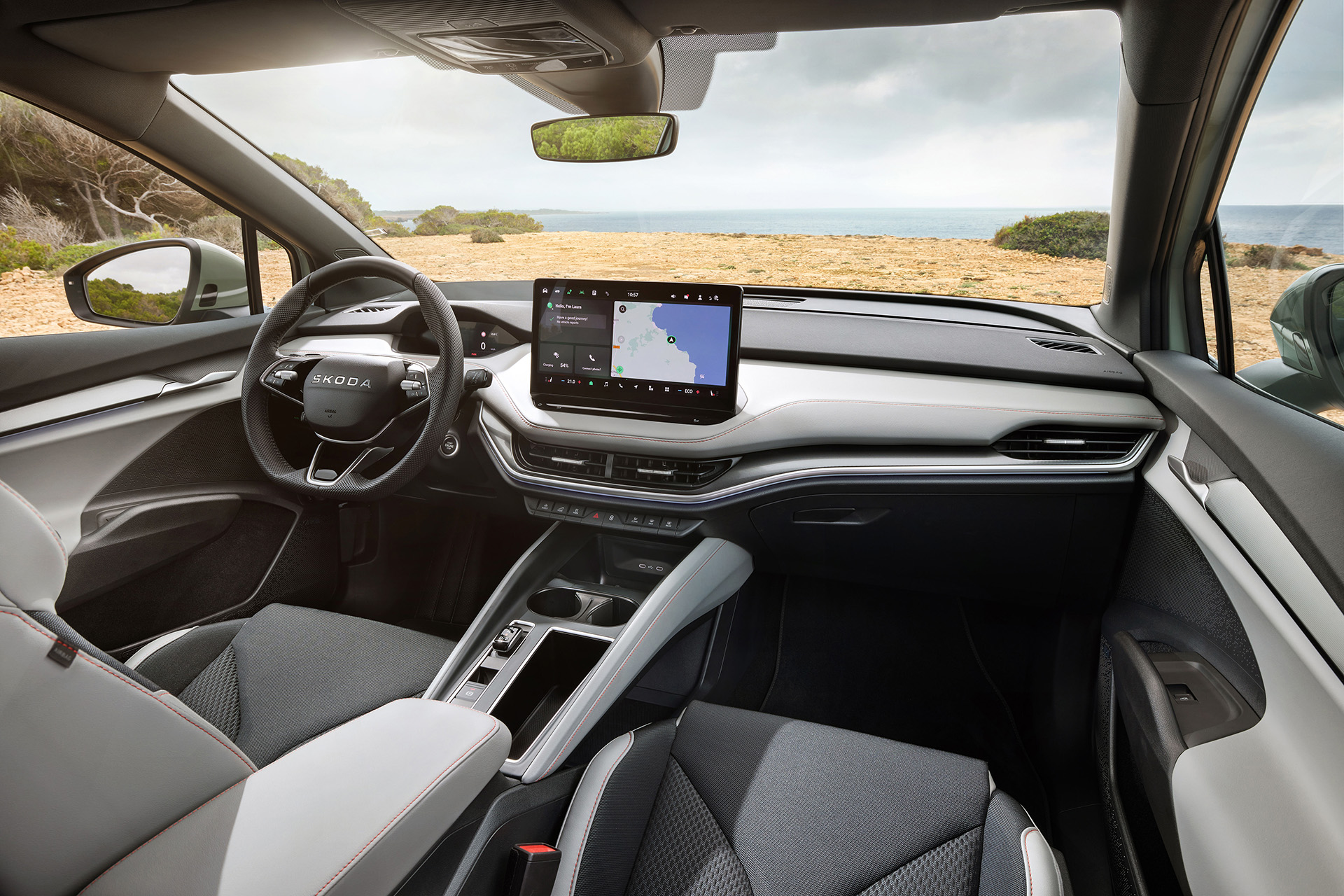
Inside, the design follows Skoda’s sustainable new direction. Boot space starts at 470 litres, expanding to 1580 litres with the rear seats folded. The steering wheel now carries Skoda lettering instead of the traditional badge.
A 13-inch infotainment system is standard, along with SmartLink, a rear-view camera, Side Assist, Crew Protect Assist and up to nine airbags depending on variant.
Elroq Sportline: traditional Skoda sportiness, electrified
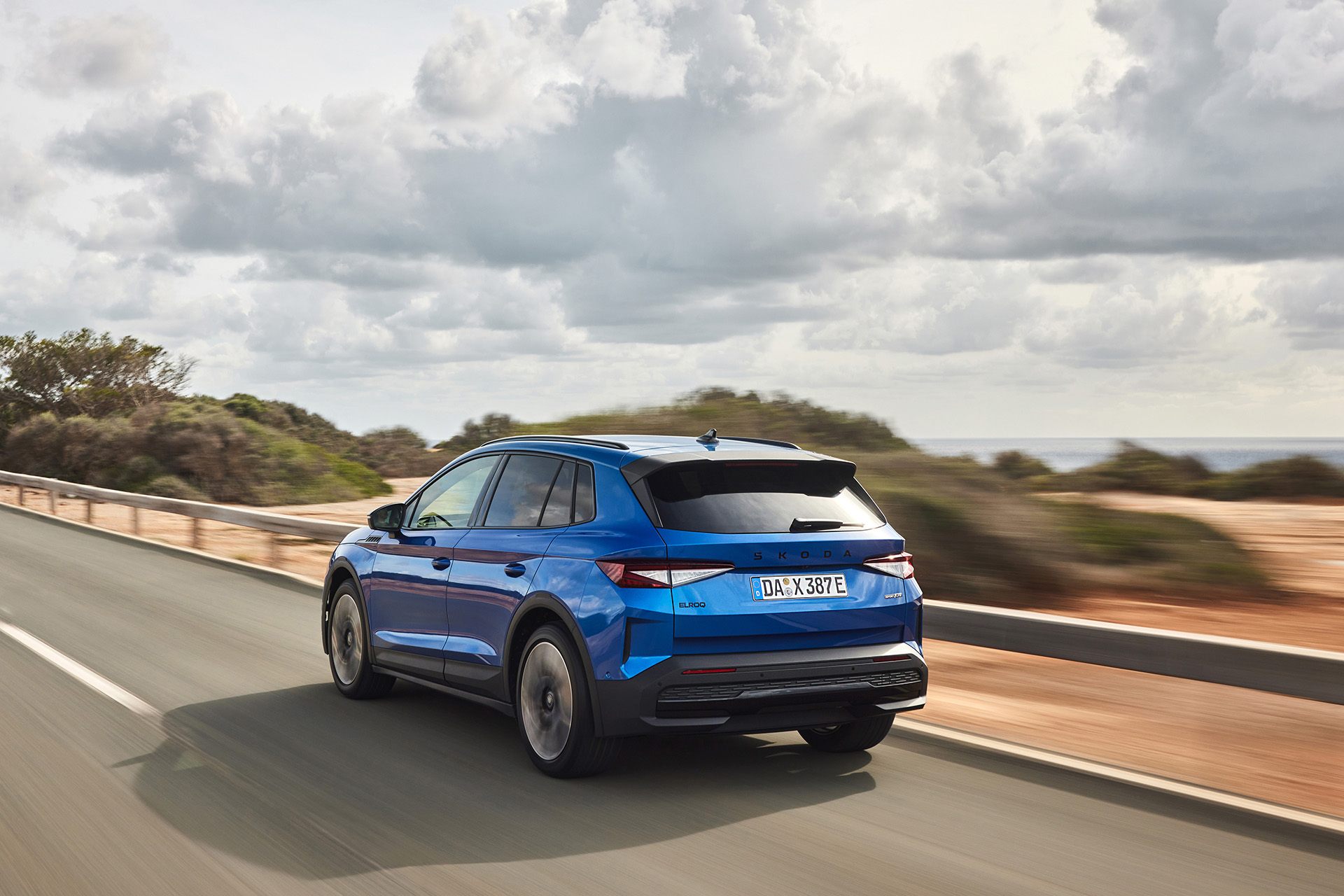
The Sportline Elroq gets a sharper appearance and more dynamic setup. The 85 receives black design elements including the mirror caps, window trim, roof rails, and inserts on the bumpers. It rides on standard 20-inch Vega alloys in black metallic. Sunset-tinted glass completes the exterior look, while inside, the Sportline brings its own materials and visual cues.
Enyaq: a major upgrade
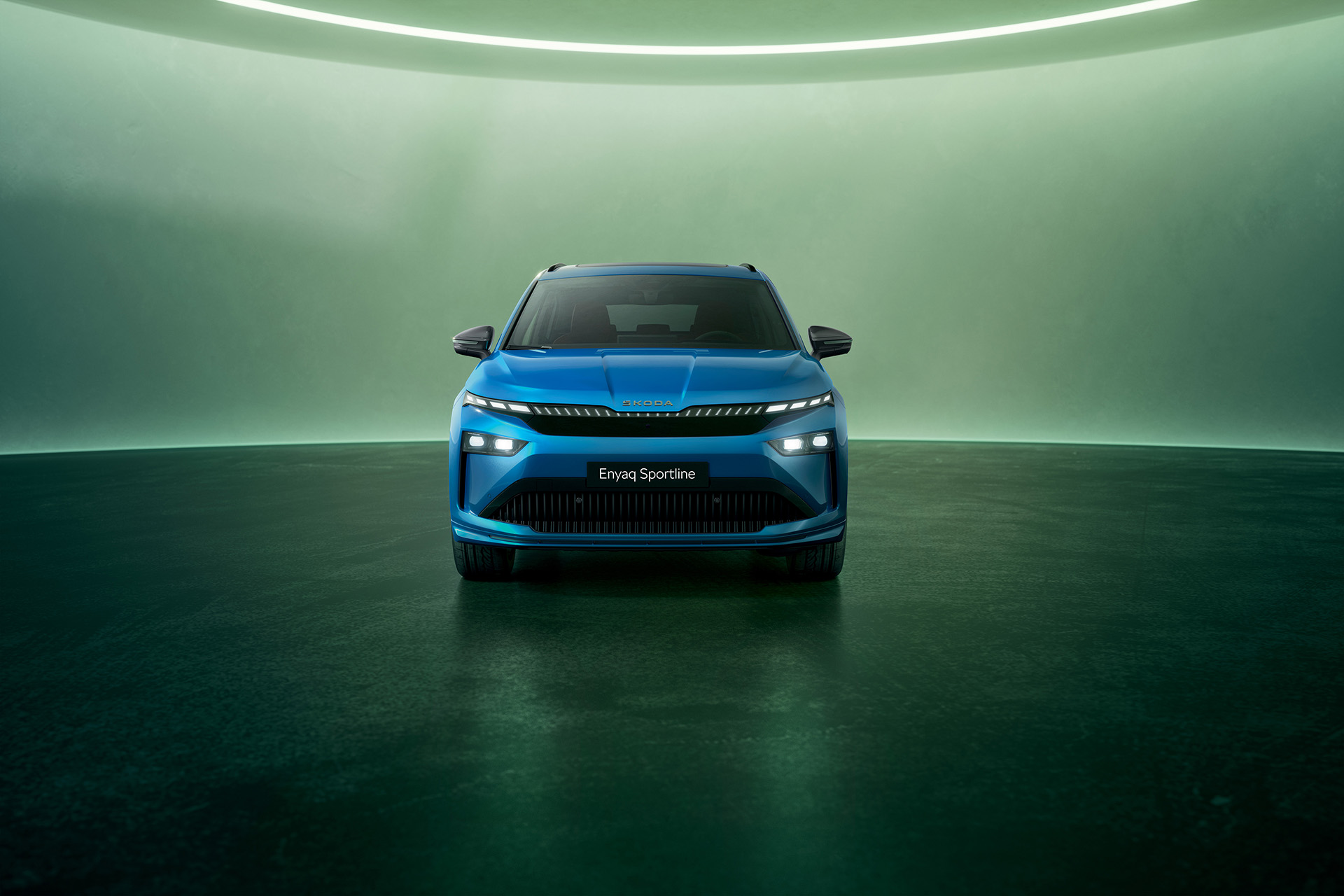
The Enyaq now adopts the same Modern Solid design language introduced by the Elroq, including a new ‘Tech-Deck Face’, a smooth, glossy black panel that hides the front radar and camera systems. Above it, a new LED Light Band adds vertical “eyelash” elements linking the upper modules of the redesigned Matrix LED headlights.
The four-eye night-time signature remains, but in a cleaner, more horizontal interpretation. Aerodynamics have been improved, reducing drag from 0.256 to as low as 0.245, contributing to WLTP ranges exceeding 530km.
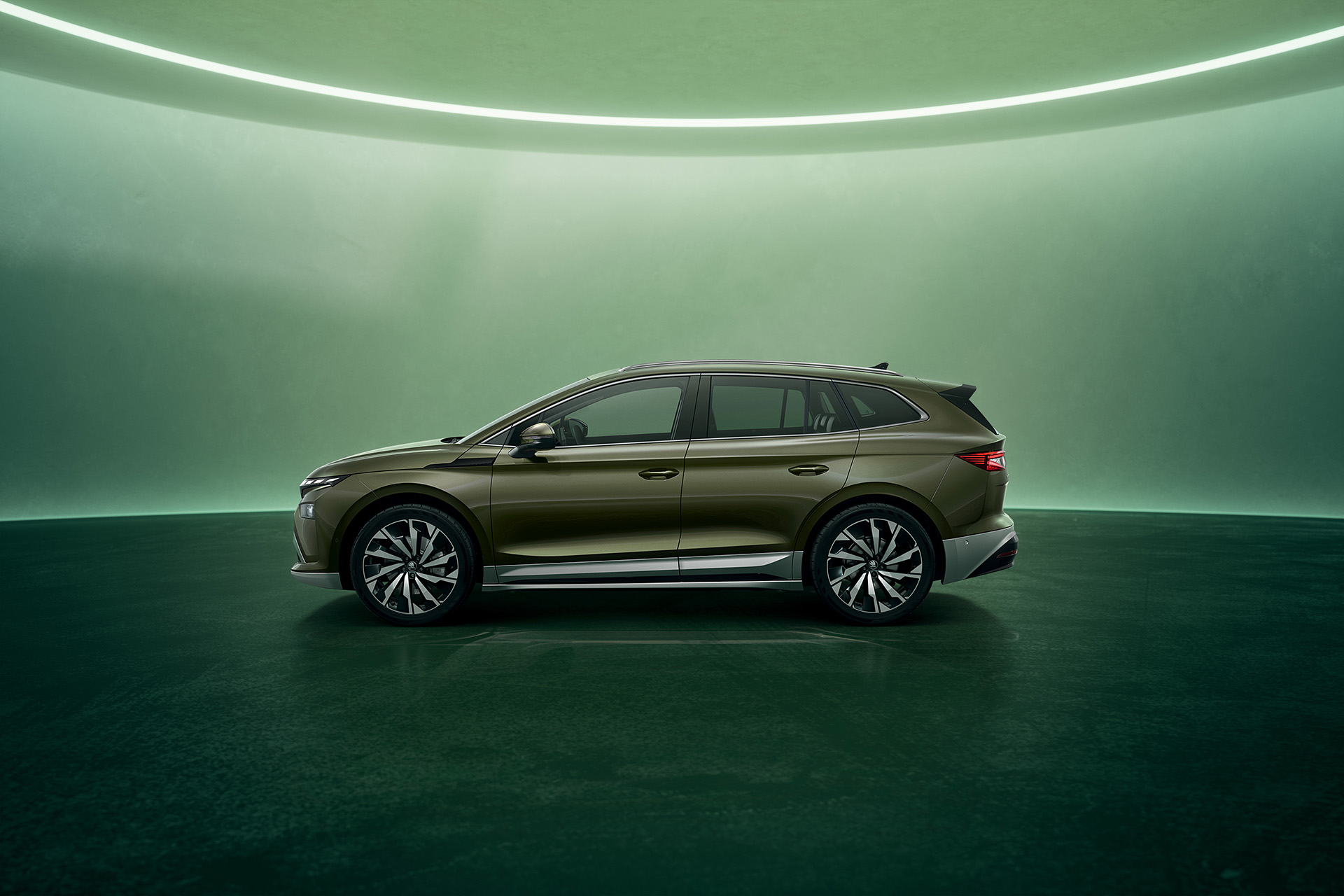
New Zealand will receive two versions: the rear-drive Enyaq Sportline 85 and the all-wheel-drive Enyaq RS 85. Both use the larger 82kWh battery. The Sportline’s rear motor produces 210kW and 545Nm, while the RS adds a second motor on the front axle, lifting output to 250kW while improving traction. The RS also offers specific traction tuning in its Drive Mode Select.
DC charging reaches up to 175kW on the RS, allowing the 10–80 per cent window to be covered in 28 minutes. All models charge at 11kW AC.
Interior and technology upgrades
Inside, the Enyaq continues its spacious layout with 585 litres of boot space, expanding to 1710 litres. A 5-inch Digital Cockpit and 13-inch infotainment display are standard, while the RS adds a head-up display with updated augmented-reality functions.
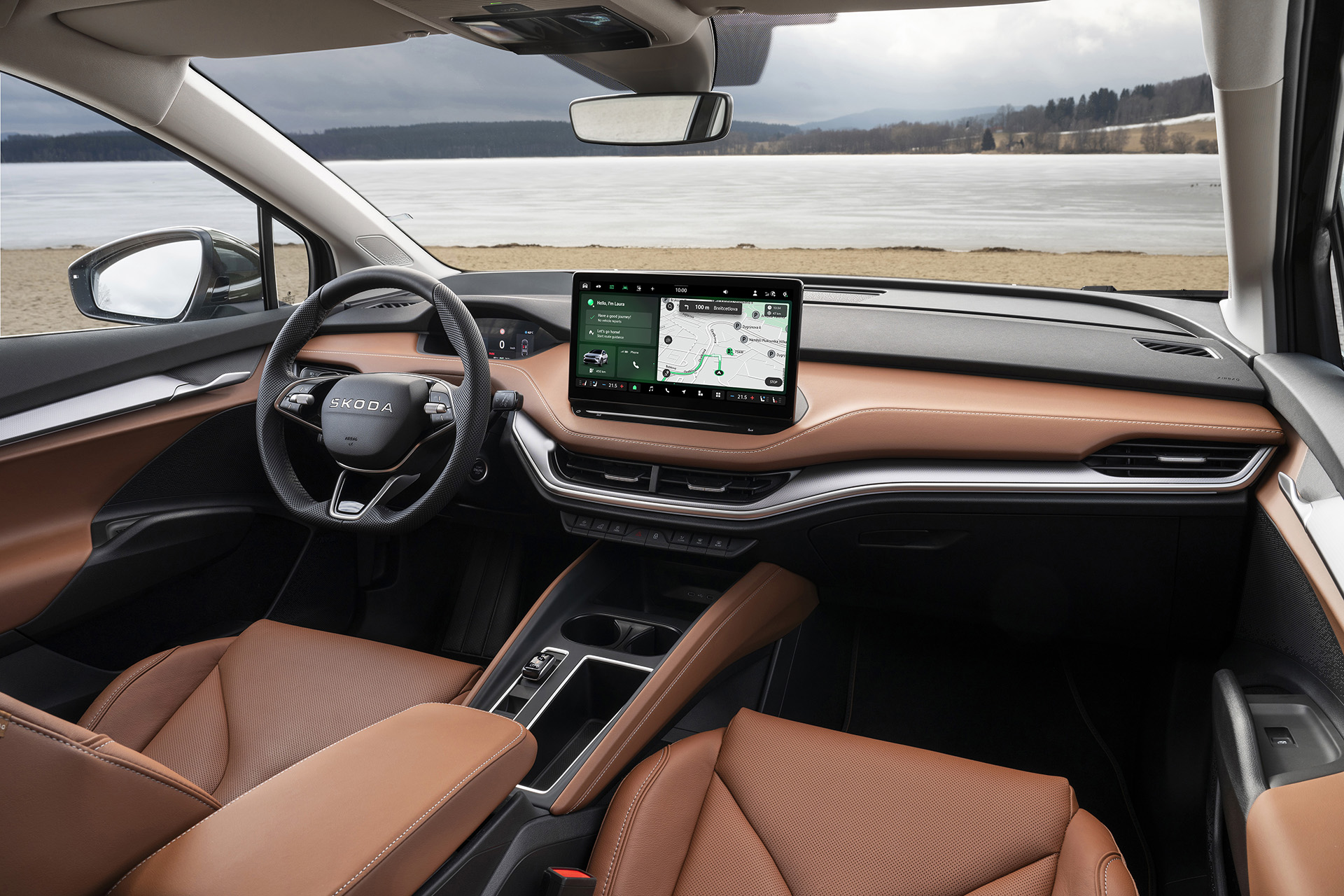
Heated front seats and a heated steering wheel are now standard across the range, as are 3-zone climate control and KESSY Advanced with Open-On-Approach and Walk-Away Locking. Infotainment revisions include a new one-tap Heaters button and improved quick-access shortcuts.
Sportline and RS: sharper styling, enhanced hardware
The Enyaq Sportline uses high-gloss black trim on the front spoiler, mirrors, window surrounds and roof rails, plus 20-inch Vega wheels. LED Matrix headlights and LED rear lights with animated indicators are standard, as is a driver’s seat with a massage function.
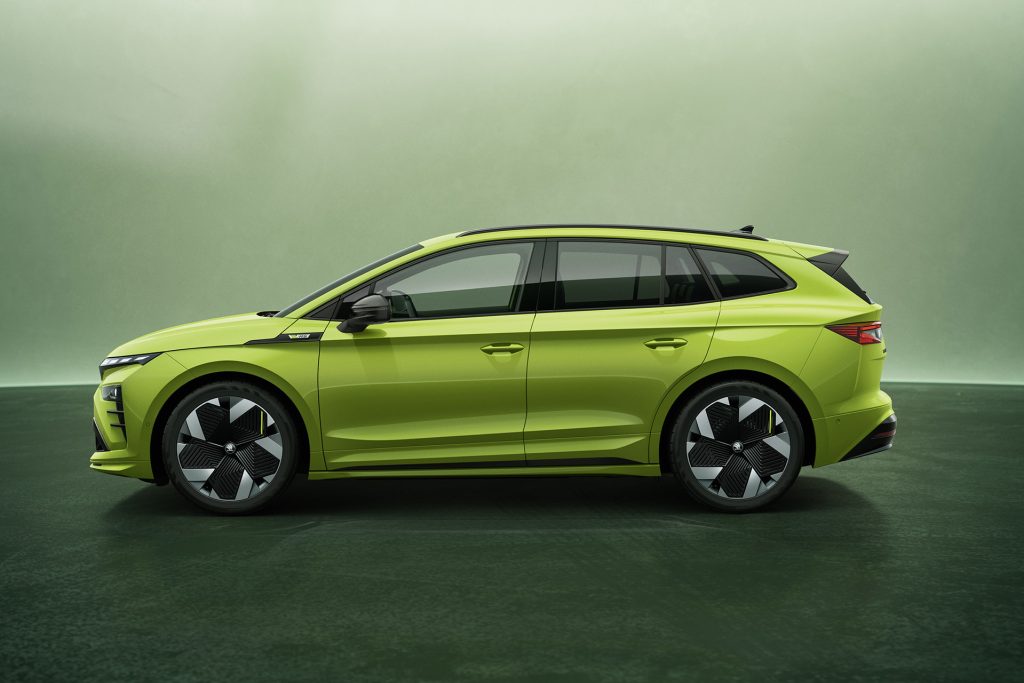
The Enyaq RS takes things further with a sport chassis lowered by 15 mm (front) and 10 mm (rear), progressive steering, stronger front brakes and exclusive RS design cues including black lettering, unique bumpers and 21-inch Vision wheels in anthracite. Two EV sound profiles—Sport and Futuristic—are selectable through drive modes.