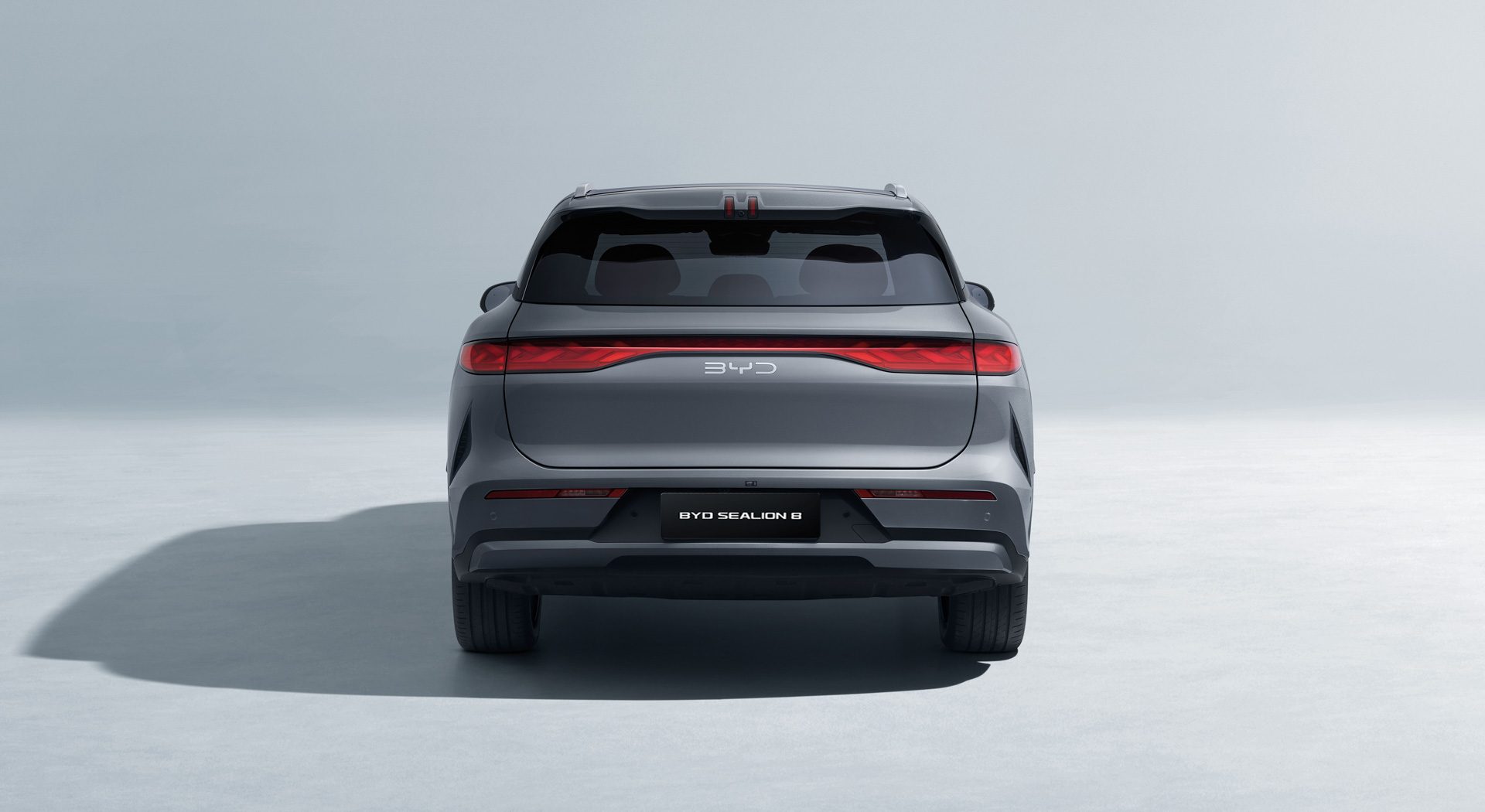

2025 BYD Sealion 8 AWD Review
Words: Mark Rainford | Photos: BYD Auto
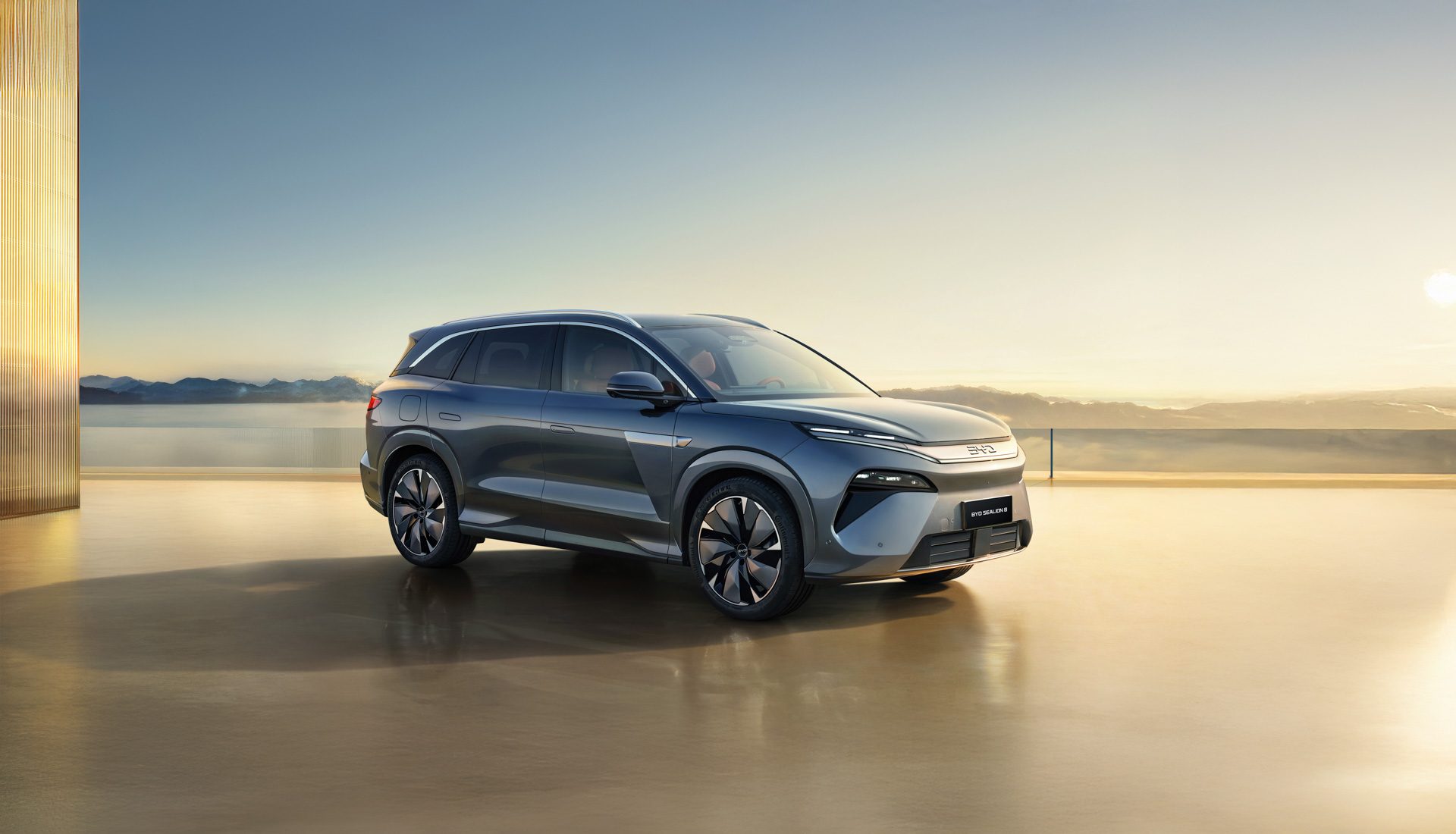
We are about to see more Sealions on these shores, as BYD ramps up its efforts in the electrified SUV space. The biggest and most luxurious of them, the 8, is slated for arrival here too. So what’s it like?
BYD has become one of the more visible Chinese brands in New Zealand and yet the vehicles we’re getting currently aren’t the manufacturer’s latest and greatest products.
That’s about to change with the impending arrival of the Sealion 8. It’s a three-row, seven-seater SUV that goes by the name Tang L in China. And in electric form, it boasts Megawatt charging.
Sadly, it’s unlikely we’ll get the electric version here, nor are we likely to get the God’s Eye B autonomous drive system. And neither the roof-mounted drone that was fitted to our test car in China. But those few things aside, what you see here is what you can expect when the Sealion 8 hits our shores.
What remains, priced right, could be the big affordable hybrid SUV we’ve been waiting for.
The Biggest SUV in NZ?
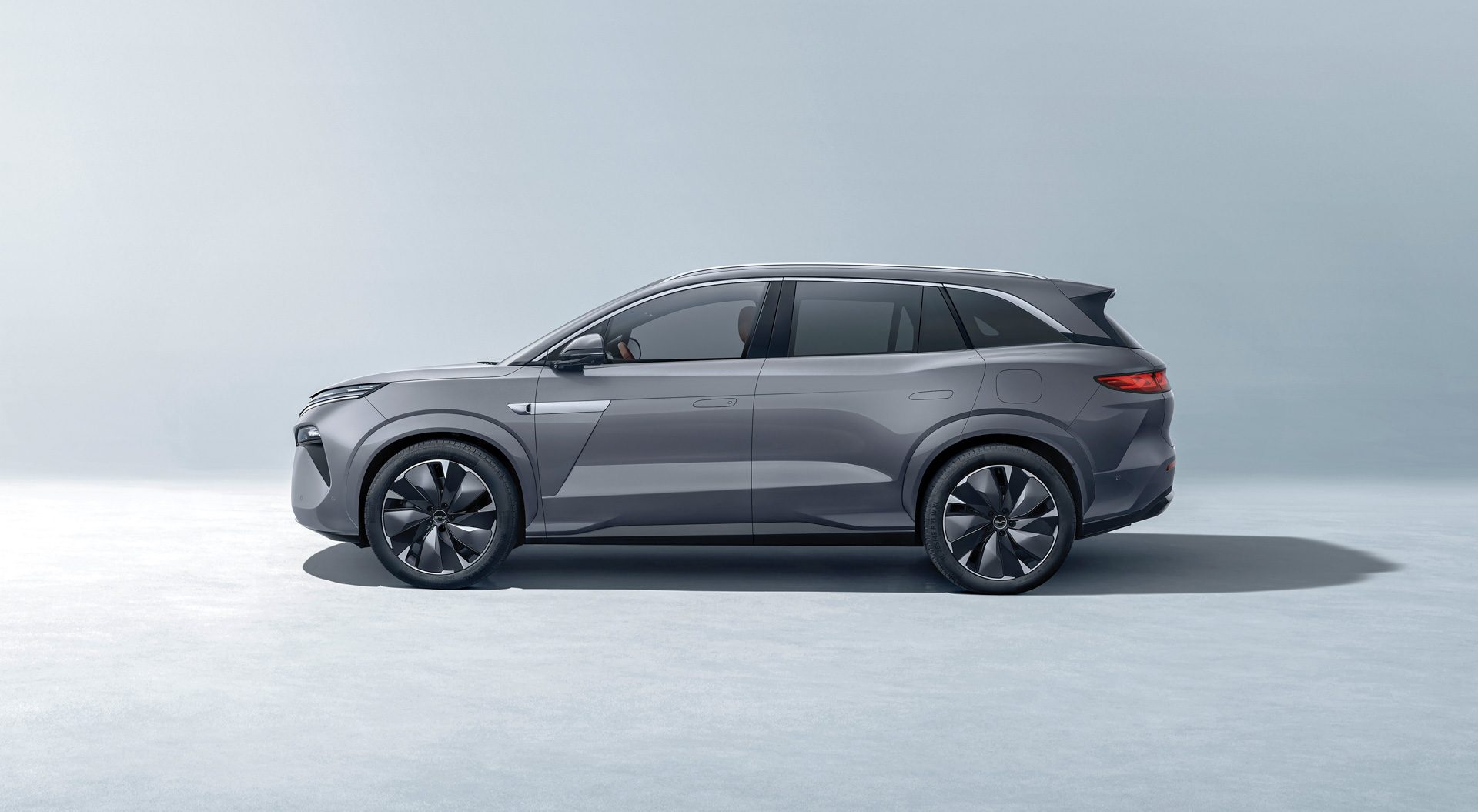
At 5,040mm long, the Sealion 8 is a hefty unit, longer than the Toyota Highlander, Hyundai Palisade and Kia EV9. And with a wheelbase only shorter than the latter at 2,950mm long, it’s spacious inside.
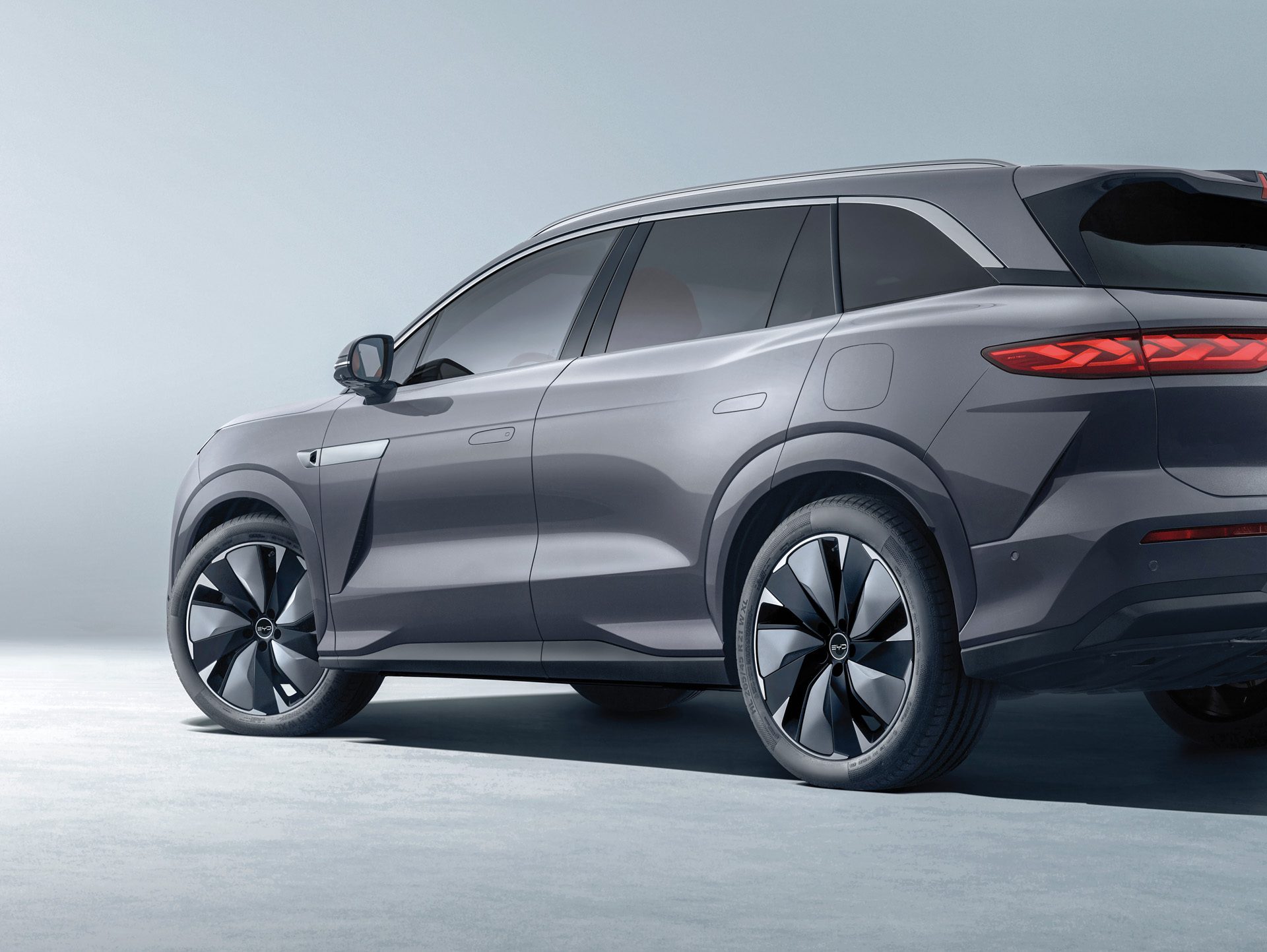
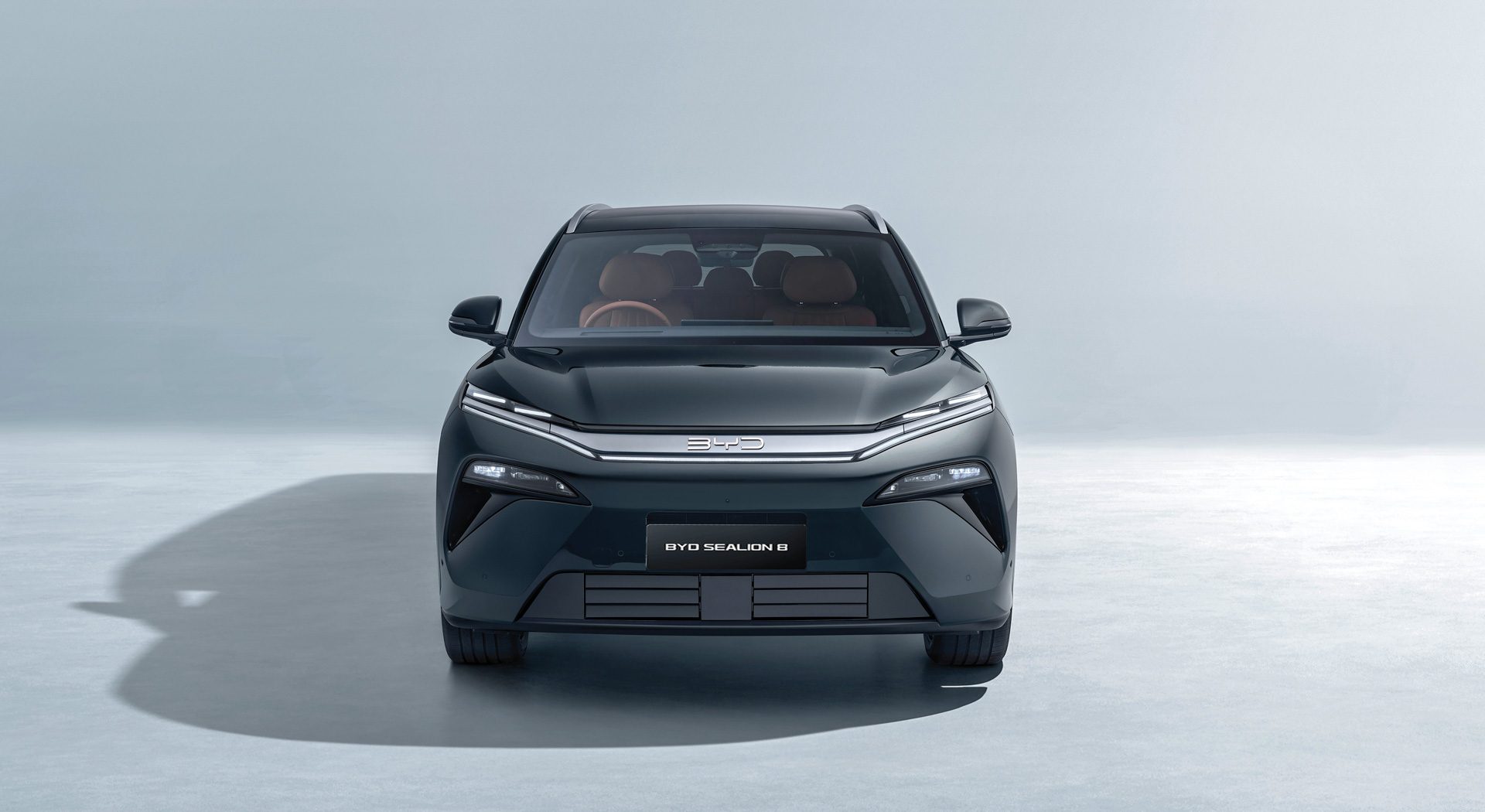
It certainly looks as big as the dimensions suggest, and comes complete with crisp styling and 21-inch alloys. Combined with the subtle graphite hue of our test car it creates the impression the 8 was carved from a block of granite.
There’s no frunk in the hybrid version for obvious reasons, and space behind the third-row seats isn’t exactly huge, however it will, in an apparent denial of physics, squeeze a 28-inch suitcase in. The only figure BYD gives is 1960 litres with both the second and third rows folded. Some reports say you’re presented with 960 litres of space with the third row folded, and that seems fair.
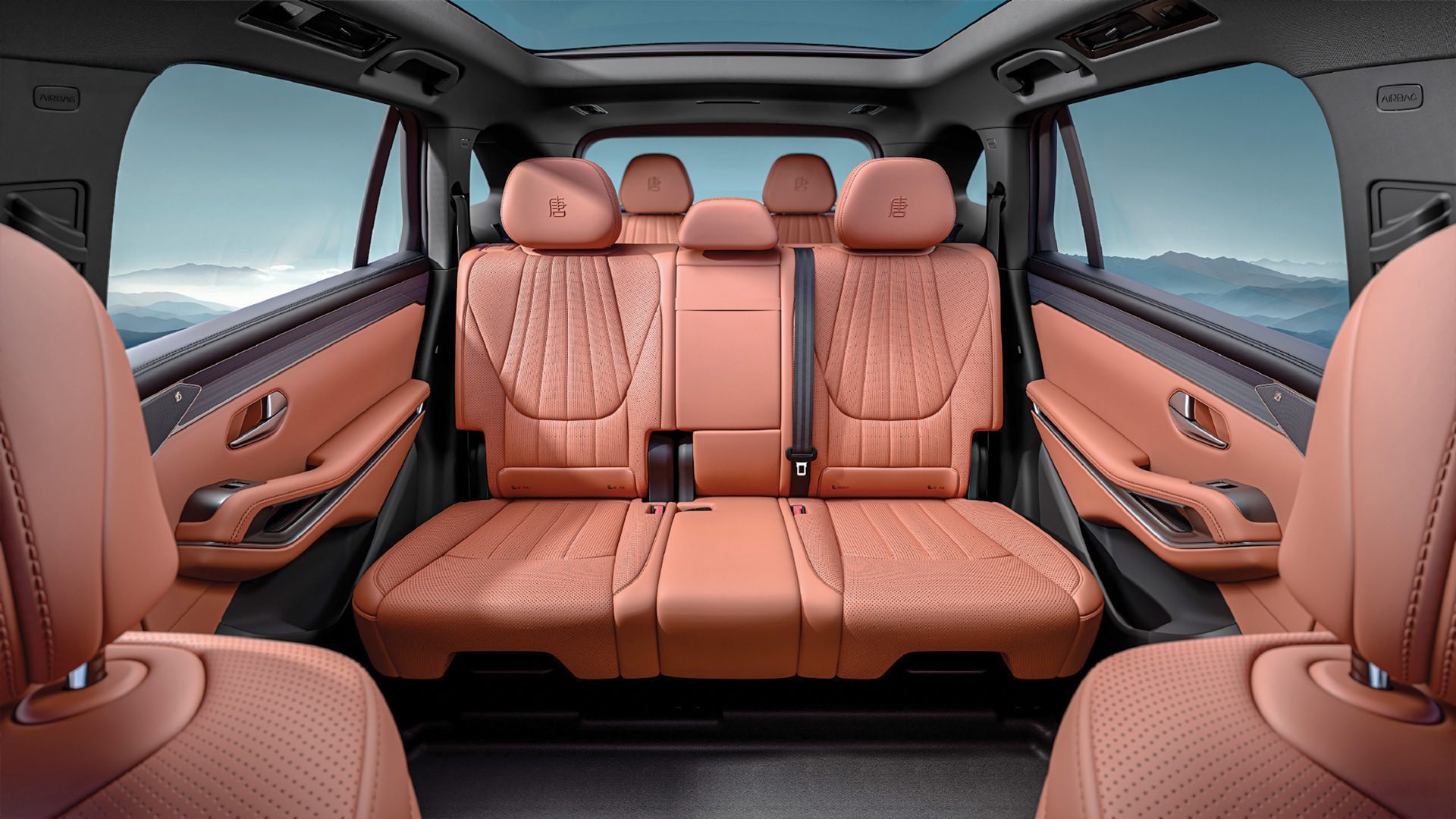
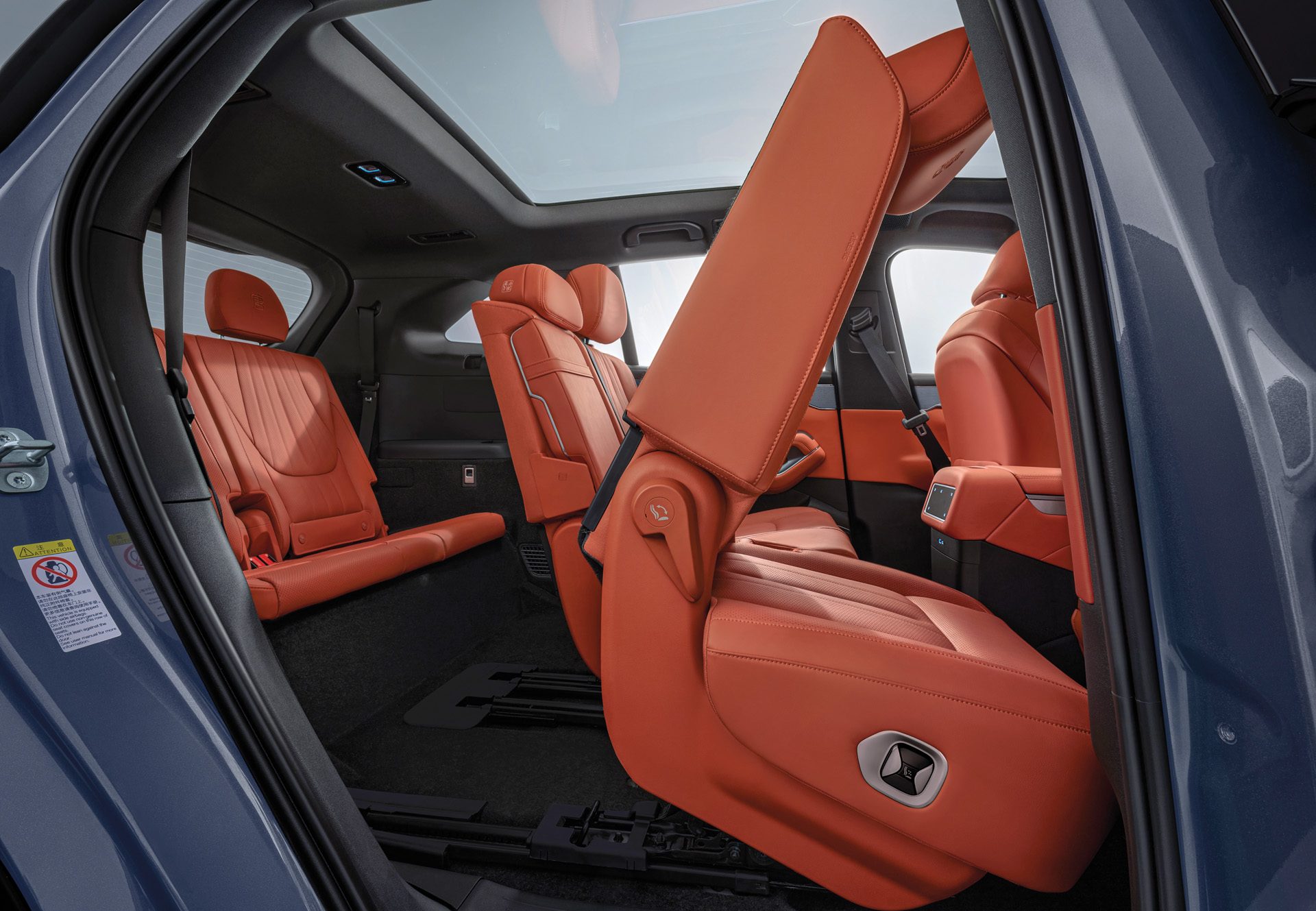
Passenger space is ‘as promised’, at least in the first and second rows where leg, knee, and headroom are plentiful. However, the third row is somewhat tighter. And while adults can fit without needing 12 months of yoga practice in advance, longer journeys are probably best reserved for kids and teenagers.
Refined, powerful, and it tows
BYD’s DM-i platform is well proven in the Sealion 6 but in the Sealion 8 we get the more powerful DM-p arrangement, the ‘p’ standing for performance.
That means 200kW motors on both axles, plus a 1.5-litre turbocharged engine producing 115kW. Leaving the engine aside for a second, there’s at least 400kW on tap, comfortably more than any of the aforementioned rivals, and enough for a supercar-baiting 0-100kph sprint of just 4.3 seconds.
The electric version for comparison has 810kW, with 580kW of that coming from the world’s most powerful mass-produced electric motor on the rear. Let that sink in.
So while we dream of one day getting that version, we can reflect on the hybrid offering 200km of CLTC-confirmed electric range (read about 150-160km in reality) from its 35.6kWh Blade battery. The NEDC fuel consumption number is around 5.6L/100km when operating in hybrid mode.
Sure, the battery will only charge at 71kW on a DC charger, which is somewhat less than the 1000kW of the EV, but it’ll do for our charging network, and there’s as much as 1200km of total range on offer so you can fill up if you need to.
It also comes with an electronic tow hitch so you can haul up to two tonnes, which will suit trailer-obsessed Kiwis down to the ground.
Ride good, engagement mediocre
The upside of the Sealion 8’s dynamics is that it rides really well courtesy of double-wishbone front suspension, five-link independent rear suspension, and BYD’s Disus-C arrangement, which basically means semi-active adaptive damping suspension.
The downside is, like the big boaty SUV it is, there’s not a great deal in the way of engagement while driving. It’s better than the Sealion 6 by a country mile, but the steering is still quite light even in Sport mode. That said, the Shark 6 drives unlike other BYD models in China, so there’s a chance things get tightened up before it arrives here.
There are mud, sand, and all-terrain modes, which will suit those who venture beyond our rural roads and closer to the sea, but there’s no diff-lock as such, so expect limitations on what it can do.
Really rather plush
BYDs tend to come with a pretty reasonable spec-list and, while there’s no guarantee that everything available in China will make it here, chances are most things will. Except for perhaps the twin refrigerator set-up.
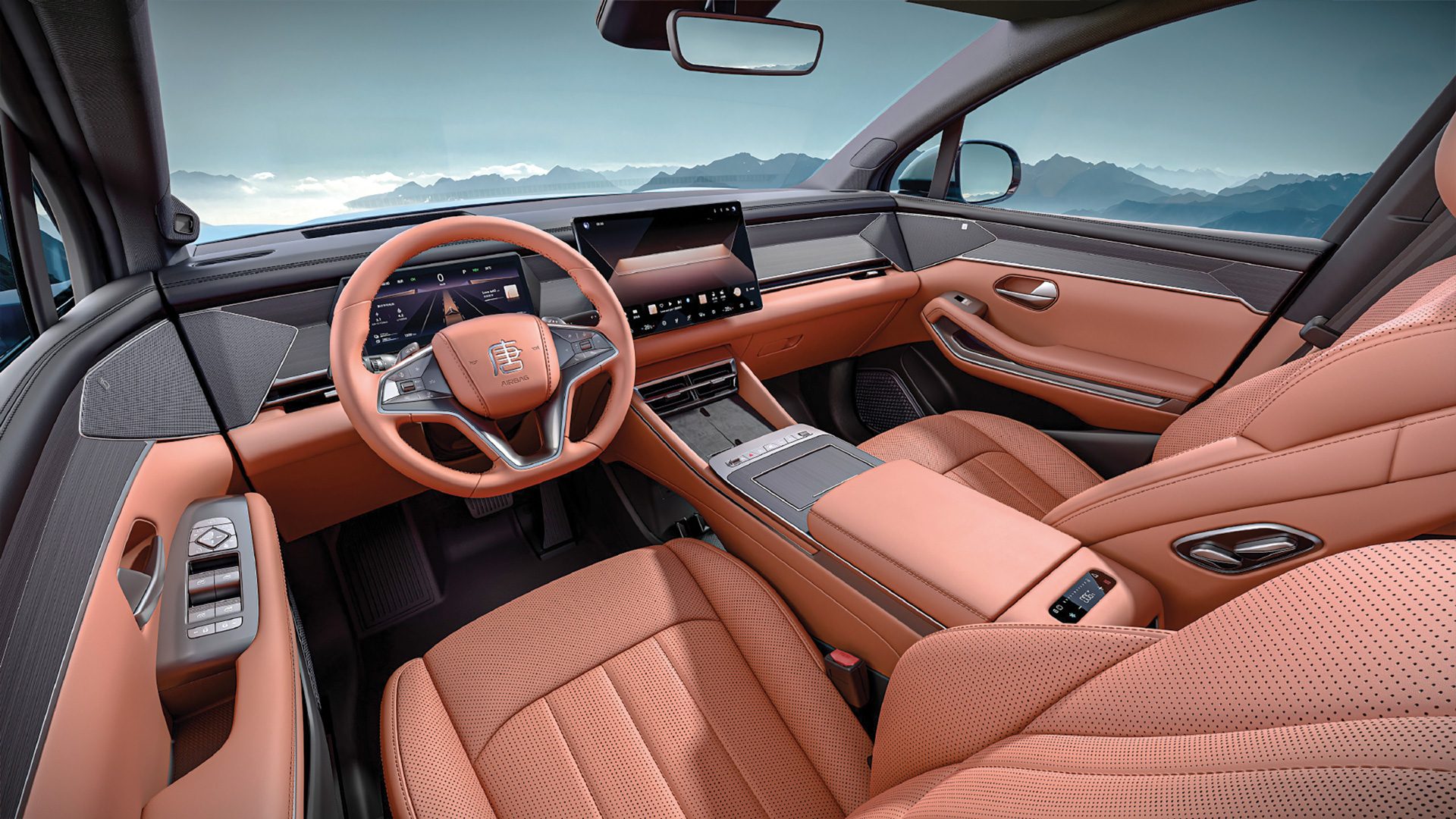
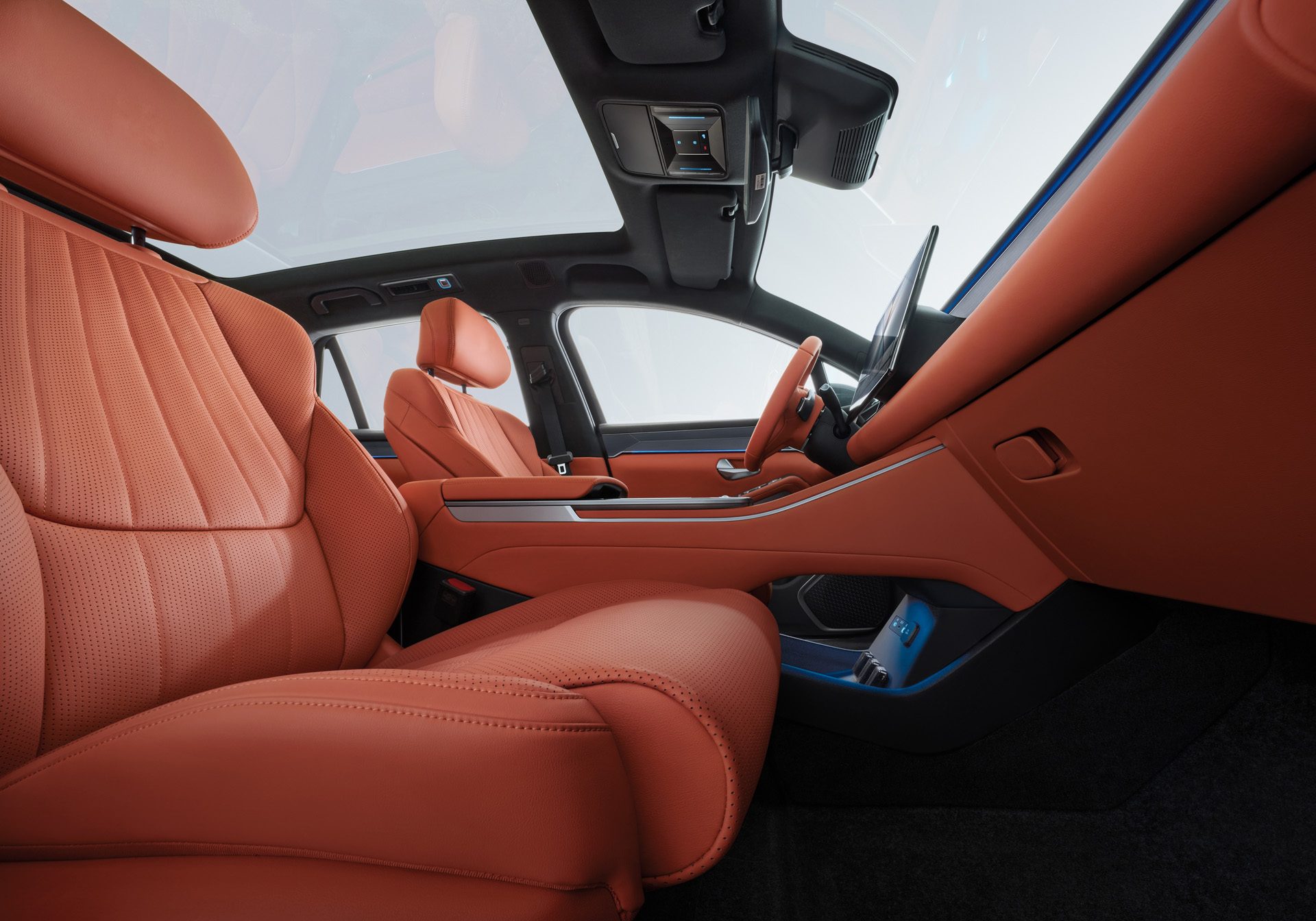
That means a 10.25-inch instrument panel, a 15.6-inch UHD central screen, and a 26-inch head-up display in the way of screens. You can add heated, ventilated, and massaging seats in both the front row and the two outer seats in the second row, which are also leather-clad.
Audio is delivered through no fewer than 21 speakers, and there’s a heated steering wheel, ambient lighting, a 50W vented wireless charger, a fragrance system and a large panoramic roof with built-in electronic sunshade.
There’s also that twin fridge on Chinese models, half of which is reached via the front centre armrest, and half of which is a drawer accessible from the back seats.
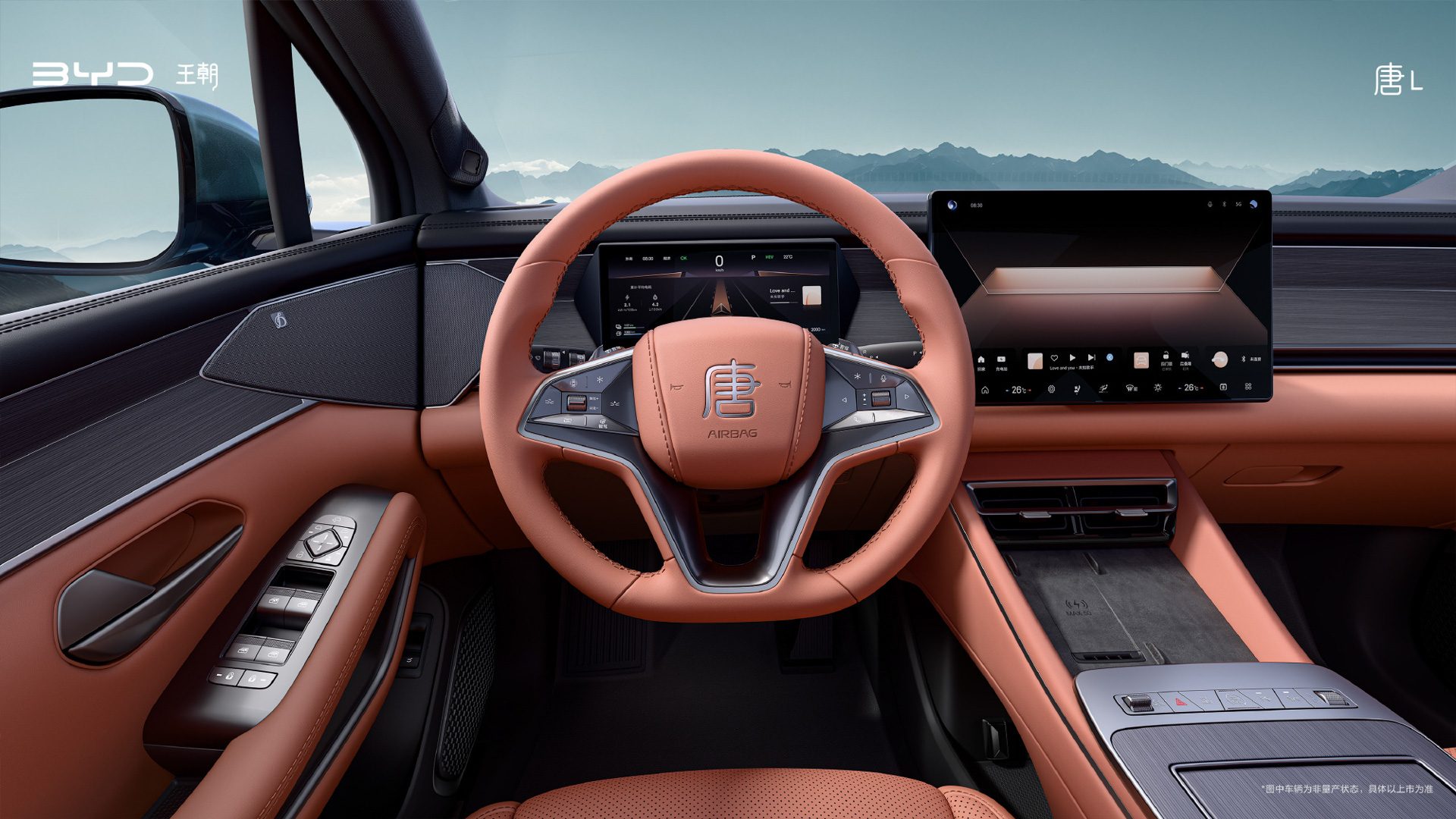
Our test car’s interior came in BYD’s orange shade, which is somewhat more appealing than their salmon offering, and there was real bamboo and flashes of chrome across the dash. As interiors go, it’s certainly a pleasant tactile experience with soft-touch materials anywhere you’d care to touch, but it’s not the most inspiring or unique design we’ve ever seen.
For most though, that’ll be right up their street, and the equipment list more than makes up for a lack of imagination.
On the plus side, not having the drone box on the roof does mean you get the full benefit of the panoramic window, but given our beautiful landscapes and scenery, having an integrated drone box to film your adventures from the sky wouldn’t be the worst (or most crazy) idea a Chinese brand has had.
Verdict
The Sealion 8 will enter a segment with no shortage of strong contenders when it lands in New Zealand, but few of those can bring what it does to the table.
An extended electric range hybrid is already something we’ve been crying out for and when you add the stonking power on tap, generous standard kit, seven-seats, and pleasing ride and handling, you get a car that will rightfully find plenty of admirers.
If the price hits right, and it should, given the comparable model costs under $60,000 in China, you’re looking at a serious contender to the Japanese and Korean oligarchy that currently owns the large SUV segment.
Given how far ahead of the popular Sealion 6 it is, the Sealion 8 is about to show Kiwis just what all the fuss is about.
BYD Sealion 8 AWD
$TBA / 5.6L/100km / 128g/km
0-100 km/h 4.5s
Hybrid System Output 400kW / 670Nm
Battery 35.6kWh
EV range 200km
Drivetrain 1-speed auto, AWD